
Hotel photography in Mexico: complete 2026 guide
How a hotel’s visual material is produced: what gets photographed, over how many days, with what crew, and what it costs by size of property.
A hotel sells on images before it sells on anything else. The guest compares ten properties in a browser tab, at the same rate and with the same star count, and picks the one that looks best. This guide explains how a real hotel shoot is planned and produced — not a quick walk-through with a camera — what each sales channel needs, and what budget to plan for in 2026.
We work in hospitality out of Puerto Vallarta and Guadalajara, with productions in Riviera Nayarit, Tepic and the Bajío. If you are here to book directly, the service is at professional hotel and resort photography.
Why hotel photography is the most complex of the three
Compared with photographing a house or a finished building, a hotel adds three difficulties that change the logistics entirely:
- The hotel is operating. You cannot empty it. You shoot between check-outs, coordinate with housekeeping over which room will be ready and when, and work in public areas without disturbing guests.
- There are many products in one. Rooms, suites, pools, spa, gym, restaurants, bars, event spaces, beach, lobby, views and amenities. Each one is sold separately on a different channel.
- Atmosphere is the product. An empty, perfect room communicates cleanliness; a room with the afternoon light coming in and the balcony open communicates wanting to be there. The second one is what gets booked.
What gets photographed in a hotel
Rooms and suites
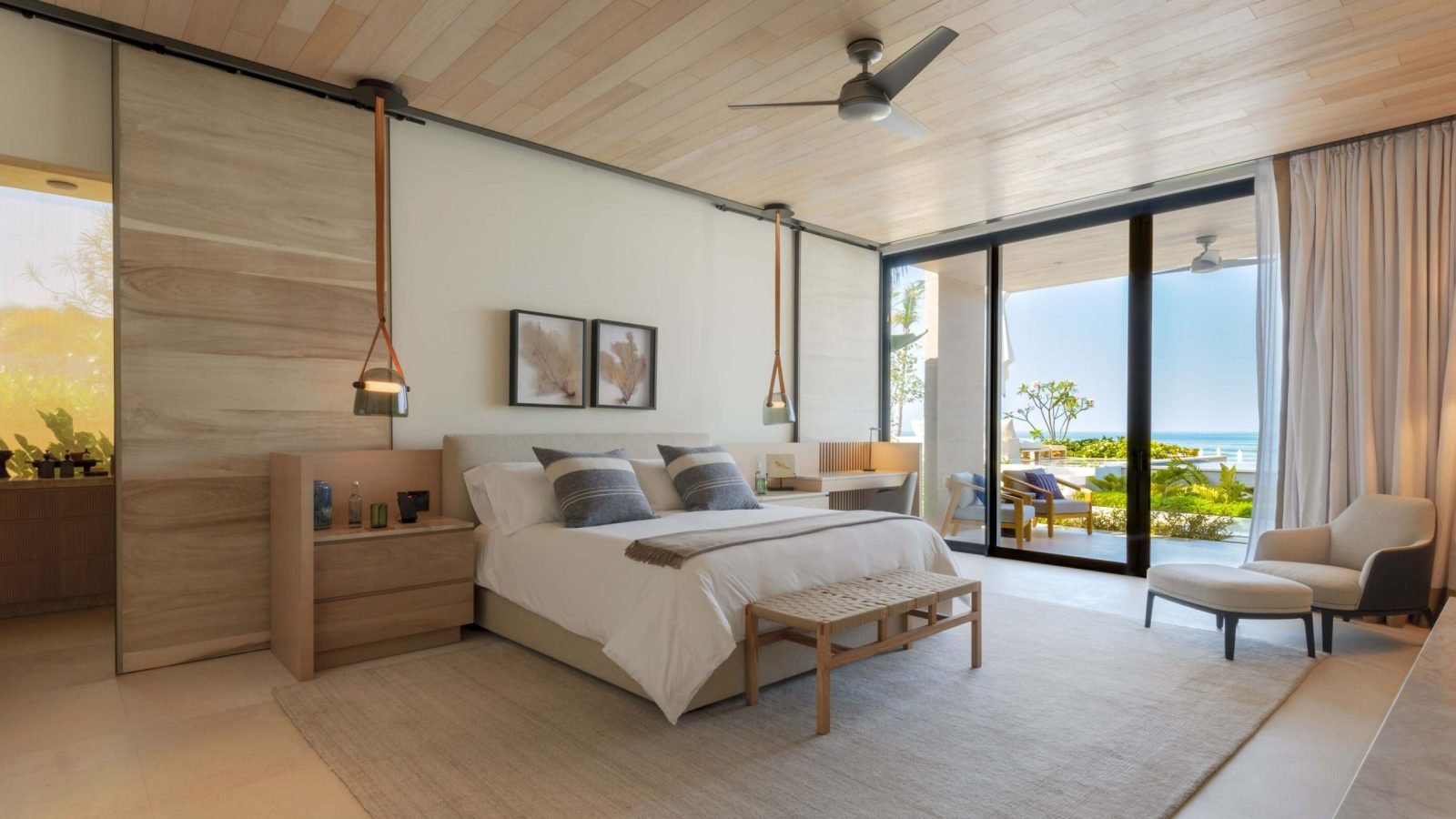
One general frame per category — not per room — plus the bathroom and a detail. If the hotel has six categories, that is six complete sets. The classic mistake is photographing only the presidential suite: 80% of bookings are of the entry category, and that is the one you have to make people fall for.
Public areas and amenities
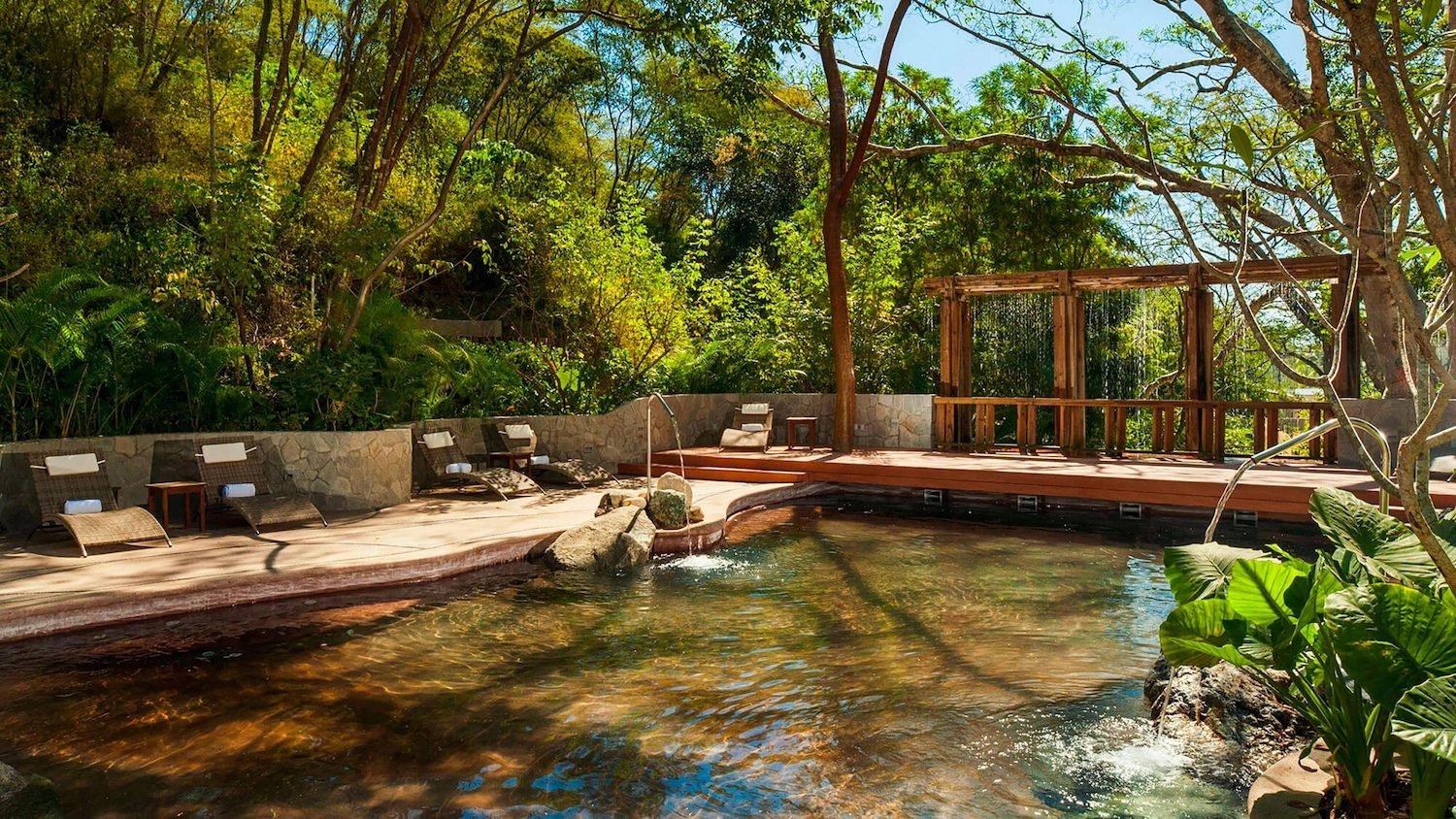
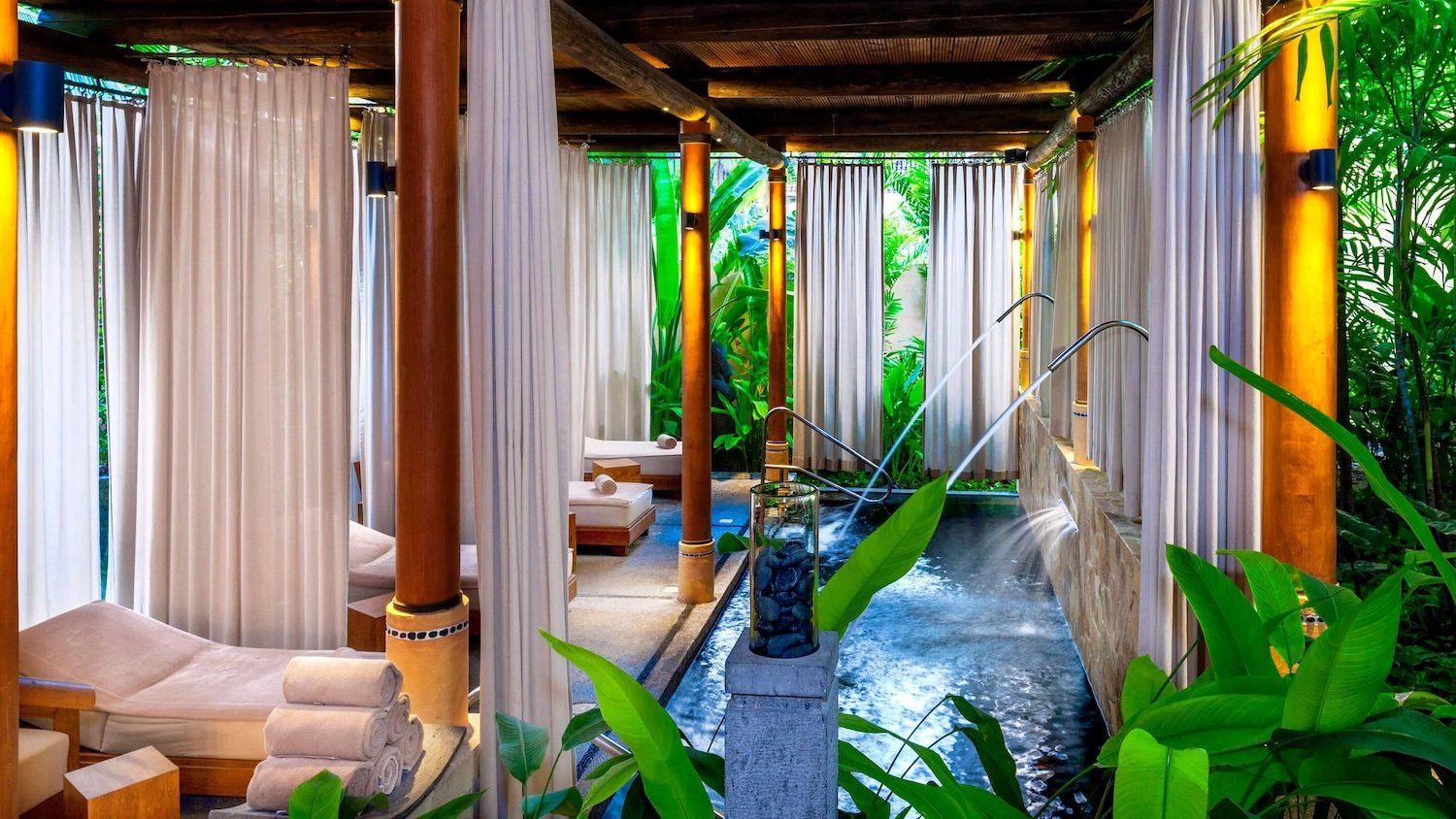
Lobby, pools — by day and at blue hour — spa, gym, beach or gardens, roof terrace, event rooms. Pools at dusk, with the lighting on, are consistently among a hotel’s best-performing images.
Food and beverage
This is a speciality within the speciality and it is planned separately with the chef: which dishes, in what order, on what tableware and at what hour there is light in the restaurant. Cocktails and breakfast tend to be the frames most reused on social afterwards.
Lifestyle: people in the scene
This is what separates a correct gallery from a gallery that sells. It requires models — or hotel staff, or guests with a signed release — coordinated wardrobe and direction. An identifiable guest is never photographed without written consent: besides being the right thing to do, it avoids problems at publication.
How a hotel production is planned
One or two months out: the brief
You define what the material is for — own site, sales channels, social, campaign, press — because that determines formats, quantity and licence. A walk-through is done, room categories and spaces are listed, and it is decided what gets photographed and what does not. A mid-sized hotel does not need 400 images; it needs 120 well-chosen ones.
The week before: internal coordination
This is where the production is won or lost. What has to be agreed:
- Which rooms are blocked and what time they will be ready.
- Who from housekeeping accompanies the shoot to adjust linen and details on each set.
- New or excellent-condition bed linen and towels for the rooms being photographed.
- Maintenance: blown bulbs, curtains off their track, yellowed silicone in bathrooms, worn outdoor cushions. All of it shows up in the photo.
- Landscaping and pool cleaning scheduled beforehand, not during.
- Flight permissions if there will be a drone, and hours when it will not affect guests.
The production days
A small hotel is resolved in one long day; a boutique property in two; a mid-sized or large resort asks for three to five days, often with a support crew. The day is organised around the light: interiors in the morning, rooms mid-morning and midday, food according to service, exteriors and pools at golden hour, and the blue-hour session at the end. Sunrises are used for beach and views without people.
After: delivery by channel
Delivery is not a folder with everything jumbled together. It is organised by use: high-resolution landscape frames for the site and the sales channels, square and vertical versions for social, and a selection of the five or six “hero” images that will carry the homepage and the campaigns.
What each channel needs
- Your own site. Where you have total control and where the booking pays no commission. It deserves the best images, not the leftovers.
- Booking.com, Expedia and online agencies. They want landscape, high resolution, coverage by room category and no watermarks or overlaid text. The main photo sets your click-through rate within the listing.
- Google. The hotel profile shows photos in search and on maps, competing directly with the ones guests upload. If you do not upload good material, your hotel is represented by other people’s phone snaps.
- Social. Vertical and lifestyle. This is where material with people in it really pays off.
- Brand or chain. If the hotel belongs to a brand, there are image standards to meet; review them before the brief, not after the shoot.
- Press and tour operators. They want high resolution and freedom of use: that is a licensing matter and it has to be anticipated.
Boutique and small hotels: making the budget go further
Not every hotel can pay for a five-day production with models and styling, and not every hotel needs one. For a property of ten to twenty keys, this is how to get the most out of a single day:
- Prioritise the entry category and the best one. Two well-photographed categories sell more than six done halfway.
- Put everything you can into the space that sets you apart. If your differentiator is the courtyard, the terrace or the breakfast, that is where the time goes.
- Reserve blue hour for one frame. Choose the most photogenic space and prepare it half an hour in advance.
- Use your own team as lifestyle. Your actual barista making a coffee, with a signed release, works better than a generic model and costs nothing.
- Leave video for a second stage, but ask for the photos to be delivered already cropped vertically for social.
It is exactly the approach we use with the boutique properties in Vallarta’s Romantic Zone and along the Sayulita–San Pancho corridor, where the differentiator is almost never size but character.
How the material is used after the shoot
A quiet but expensive mistake is treating the shoot as an archive to be filed away. The material pays off when its use is planned:
- Update the sales channels first. Own site and online agencies, in that order, because that is where the booking is.
- Spread the rest over a calendar. A hundred and twenty well-managed images feed half a year of social; publishing them all in two weeks burns them.
- Send a selection to press and tour operators, in high resolution and with the usage terms made clear.
- Upload them to the hotel’s Google profile. It is the shop window most people see and the most neglected.
- Keep the seasonal frames back, to publish at the right time of year.
When it is worth shooting
Three moments justify a full production: an opening or reopening, a significant renovation, and natural drift — when the material is three or four years old and no longer matches what the guest finds. That last case is the most common and the most quietly expensive: it sets misaligned expectations and produces “it didn’t look like the photos” reviews.
As for the season, it pays to produce before high season, not during: the hotel is emptier, rooms are easier to block, and the material arrives in time to sell the season. On the Pacific coast that usually means producing between late spring and autumn in order to sell the winter.
What it costs in 2026
The fee depends on the number of rooms and how many areas are covered. We publish the ranges so a hotel can budget without asking for a quote.
Hotel photography: fees by property size
The fee takes into account room categories and the areas to be covered: rooms, suites, pools, spa, restaurants and public areas. Drone, video and extended licences are added separately.
Hotel and resort photography
The fee depends on the number of rooms and the areas to be covered: guest rooms, suites, pools, spa, restaurants and public spaces.
| Type of hotel | Fee (MXN) |
|---|---|
| Small (up to 10 rooms) | $18,000 |
| Boutique (10–20 rooms) | $32,000 |
| Mid-size (20–40 rooms) | $45,000 |
| Large (40+ rooms) | From $58,000 |
Add-on services
These apply to every category and are added on top of the session fee.
| Service | Fee (MXN) |
|---|---|
| Aerial drone photography | From $2,500 |
| Styling / props | On request, quoted separately |
| Companion video (reel / walkthrough) | From $17,500 |
| Usage licence — print advertising and campaigns | $26,000 |
| Unlimited / extended commercial licence | $52,500 |
- Fees cover the creative rate (shoot + editing). The usage licence is agreed separately, based on where the images will finally be published.
- There may be an adjustment within each range depending on the size of the client, the logistics involved (travel, number of sessions) and whether the project targets the domestic or the international market.
A useful piece of context for deciding: the cost of a full production usually equals a handful of nights of the hotel’s own occupancy, and the material is used for years across every channel at once. The full price list, with all five categories, is on 2026 pricing.
The markets we work in
Puerto Vallarta and Banderas Bay
The heart of our hospitality operation: beach resorts, boutique hotels in the Romantic Zone, properties in Conchas Chinas and developments in the Marina. It is a market with a demanding international guest and fiercely competitive sales channels, where the quality of the material translates directly into position within the online agencies. See hotel photographer in Puerto Vallarta.
Riviera Nayarit and Tepic
Nuevo Nayarit, Bucerías, La Cruz de Huanacaxtle, Punta Mita, Sayulita and San Pancho concentrate a boutique offering that is growing fast and that competes precisely on image and atmosphere rather than size. Tepic, for its part, has urban and business hospitality with a very different need: showing function, connectivity and event spaces. We cover both from Puerto Vallarta, with no travel charge within the bay.
Guadalajara
Urban, business and boutique hospitality, plus a strong events and weddings market. Here the event rooms, the business centre and connectivity weigh as much as the guest rooms, and night frames of the façade and interiors play a bigger role than on the coast. See Foto de Arquitectura in Guadalajara.
Mistakes we see often
- Photographing only the higher categories. The standard room is the one most booked and almost never photographed well.
- Not getting maintenance done beforehand. A blown bulb or a curtain off its track forces you to solve in post-production something that took two minutes to fix.
- Mixing colour temperatures. Rooms with bulbs of different tones are the commonest technical problem in Mexican hospitality.
- Leaving lifestyle for “another time”. That time never comes, and the hotel is left with a correct but cold gallery.
- Overselling. Framing that makes the pool look twice its size produces negative reviews that cost more than the shoot.
- Not anticipating the licence. When a campaign comes along or a tour operator asks for the images, it turns out the licence contracted did not cover it.
Hotel photography city by city
We work out of Puerto Vallarta and Guadalajara, with standing coverage across the Bajío region. Open your city’s page to see how we adapt hotel photography to your project:
- Hotel photography in Puerto Vallarta
- Hotel photography in Guadalajara
- Hotel photography in Querétaro
- Hotel photography in Aguascalientes
- Hotel photography in León
- Hotel photography in Guanajuato
- Hotel photography in Celaya
- Hotel photography in Irapuato
- Hotel photography in San Miguel de Allende
Is your project somewhere else? We cover the whole country, with travel quoted separately: tell us where it is.
Frequently asked questions about hotel photography
How much does hotel photography cost?
In 2026 we start at $18,000 for a small hotel of up to 10 rooms, with defined ranges for boutique, mid-sized and large properties. The fee takes room categories and areas to be covered into account; drone, video and extended licences are added separately. The full detail is on 2026 pricing.
How many days does the production take?
A small hotel is resolved in one long day, a boutique property in two, and a mid-sized or large resort in three to five days. The variable that weighs most is not the room count but how many categories and how many areas — spa, restaurants, event rooms, beach — fall within the scope.
Does the hotel have to close or stop operating?
No. We work with the hotel running, blocking rooms in time slots coordinated with housekeeping and reception. What is needed is for those rooms to be ready on time and for maintenance to have cleared any outstanding items beforehand.
Can real guests be photographed?
Only with their written consent. For lifestyle material the usual route is to work with models or hotel staff, with a signed release, because it gives control over wardrobe, direction and subsequent use of the images.
What time of year is best to shoot?
Before high season, not during. Rooms are easier to block, the hotel is less full, and the material arrives in time to sell the season. On the Pacific coast that usually means producing between late spring and autumn.
Do you include video and aerial shots?
They are quoted separately and produced during the same visit to take advantage of the logistics. Walkthrough video and aerials are especially worthwhile in beach properties, where the setting is a significant part of what is being sold.
Get a quote for your hotel’s production
Services mentioned in this article
Architectural Photographer
Corrected perspective: the project you publish, enter into competitions and keep in your portfolio.
🛋️Interior Photographer
Materials, natural light and styling, so your work reads as well on screen as it does on site.
🔑Airbnb Photographer
The first photograph decides the click. Images ready for Airbnb, Booking.com and VRBO.
🚁Drone Photographer
The site, the amenities and the setting: what no ground-level frame can show.
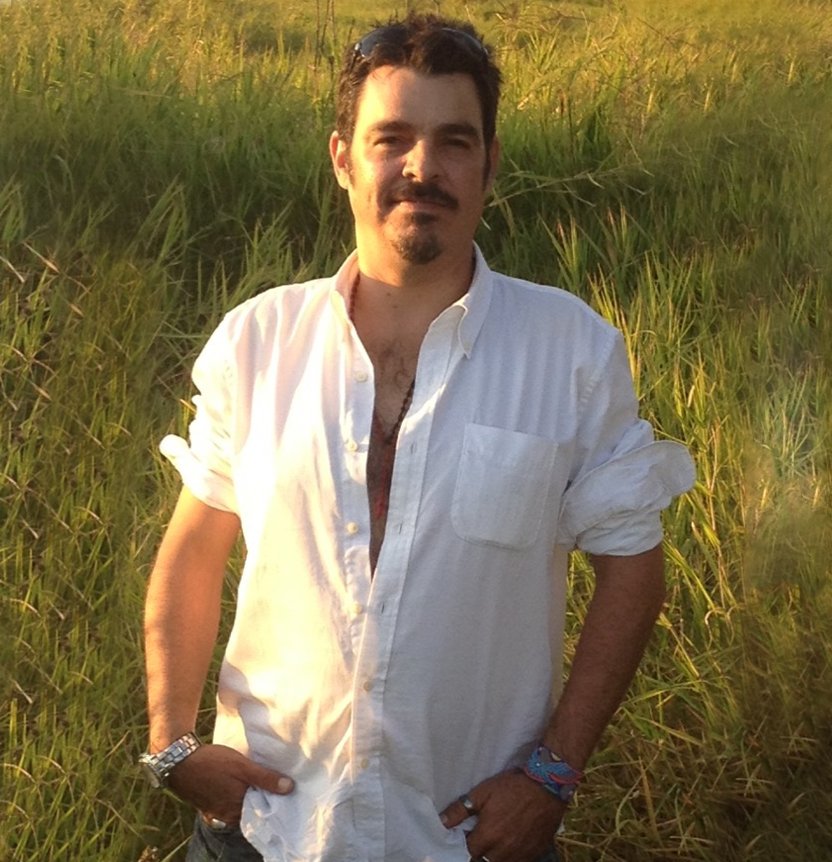
Xavier Manuel
Architecture, hospitality and interior photographer. He runs Foto de Arquitectura out of Puerto Vallarta and Guadalajara, with productions across Riviera Nayarit, Tepic and the Bajío region.
More from the blog
 Golden-hour photo charter: Puerto Vallarta from a yachtThe town faces west, so at sunset you only see it head-on from the water. Route, timing, gear, camera settings and which boat to charter to photograph the bay.Read the article →
 Fishing charter in Puerto Vallarta: what to do when you visitWhat we tell clients who fly in for a shoot and have a free day: go fishing. What a private charter looks like, inshore vs offshore, seasons, costs and how to photograph the day.Read the article →
 Interior photography: the complete guideHow an interior design project is photographed so it reads in a portfolio and in press exactly as it feels in person: light, styling, framing and what it costs.Read the article →