
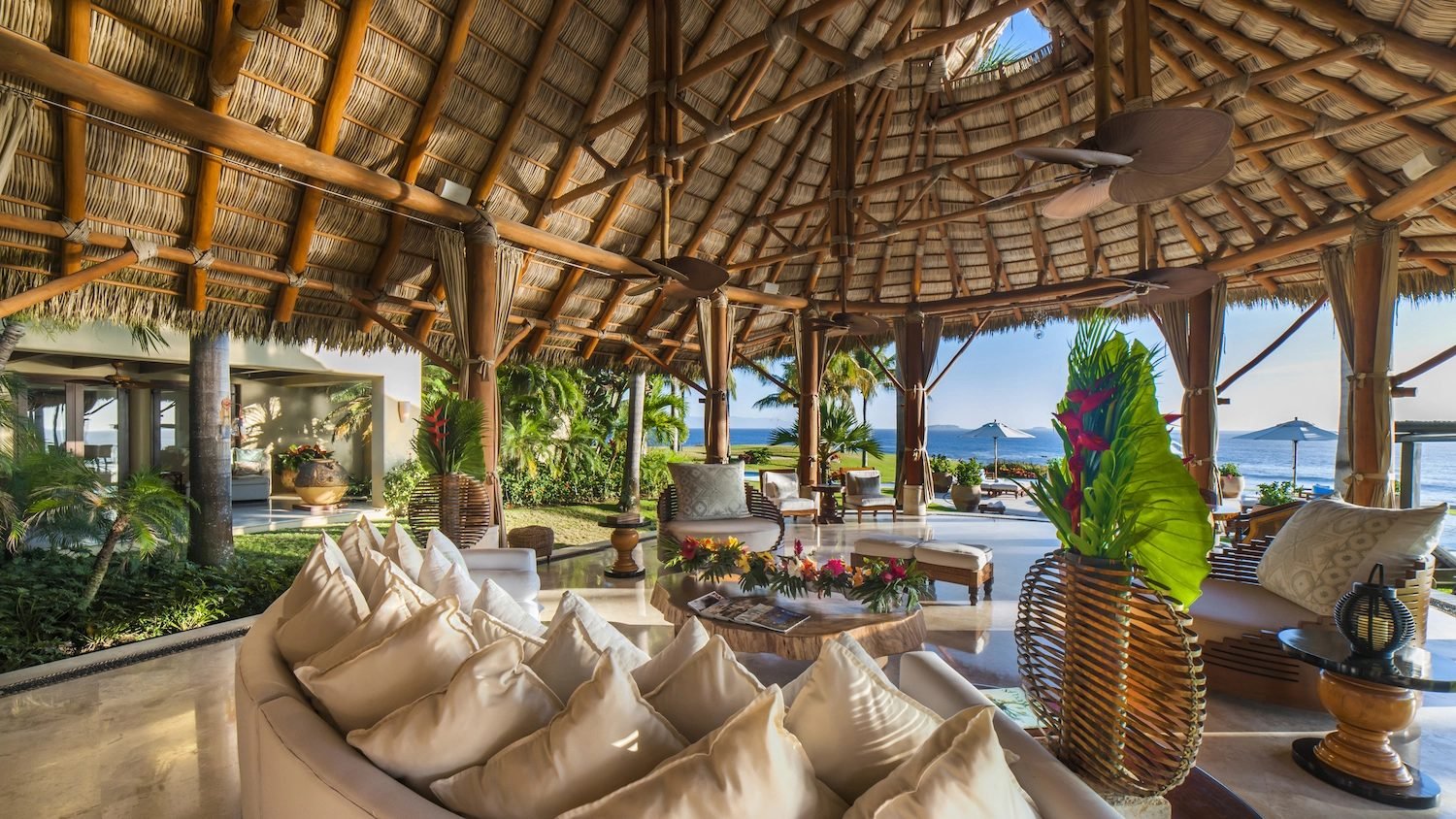
Real estate photography: a guide to selling and renting
The complete guide to making a house, an apartment or a villa look as good on screen as it does in person — and sell or rent sooner.
Real estate photography has a very specific job: win the click, and then win the viewing. It is not trying to be art; it is trying to stop someone scrolling through fifty listings on a phone and make them want to see more. This guide explains how that material is prepared, produced and published, with the particulars of selling in Mexico and renting in resort areas.
If you also want the full strategy — portals, MLS, social and pre-sales — it is in the guide to real estate marketing. Here we concentrate on the photos.
Real estate photography for selling and for renting is not the same job
Even when you are photographing the same house, the objective changes and so do the decisions:
- Sale. The buyer is assessing an asset. They need to understand the layout, the real condition, the natural light and the size. Frames are wider, more neutral, and must cover absolutely everything, service areas included. Hiding rooms breeds distrust at the viewing.
- Vacation rental. The guest is buying a week of experience. They need to picture themselves there: the terrace at sunset, the pool, the table laid, the view from the bed. More styling, more warmth and more “moment” are allowed — and advisable.
- Long-term rental. The tenant is assessing function and price. Here clarity and honesty rule: clean, well-lit photos with no framing tricks.
Confusing them is a common mistake: you see plenty of vacation villas photographed as if they were for sale — cold and empty — and plenty of houses for sale photographed like a magazine spread, with handsome frames that never explain the layout.
Preparation is 60% of the result
We say it in every quote: no camera compensates for a badly prepared property. This is the checklist we send before every session.
The whole property
- Deep clean the day before, not the same morning.
- Glass and mirrors cleaned. They appear in every frame with a window.
- Every bulb working and at the same colour temperature. One cool bulb among warm ones ruins the colour of the entire room.
- Bins, brooms, drying racks, hoses and tools out of frame.
- Cars moved away from the façade and out of the garage if it is being photographed.
- Pets and their accessories — beds, bowls, litter trays — out of the scene.
- Depersonalise: family photos, diplomas, medication, fridge magnets, clothes in view.
Kitchen
- Counters completely cleared; one decorative item at most.
- Cloths, sponges, soap and small appliances put away.
- Nothing stuck to the fridge.
Bedrooms
- Beds made with pressed, crease-free linen; neutral bedding where possible.
- Nightstands cleared: one lamp and at most one object.
- Wardrobes closed, cables hidden, chargers away.
Bathrooms
- Every personal product put away: shampoo, brushes, razors.
- Towels folded identically, or fresh towels for the session.
- Toilet lid down, mats squared up.
Outdoors
- Garden trimmed and leaves swept.
- Pool clean, no vacuum or hoses, water at the right level.
- Outdoor cushions out and parasols open.
- If there is noisy construction next door or scaffolding up, say so beforehand: it changes the framing plan.
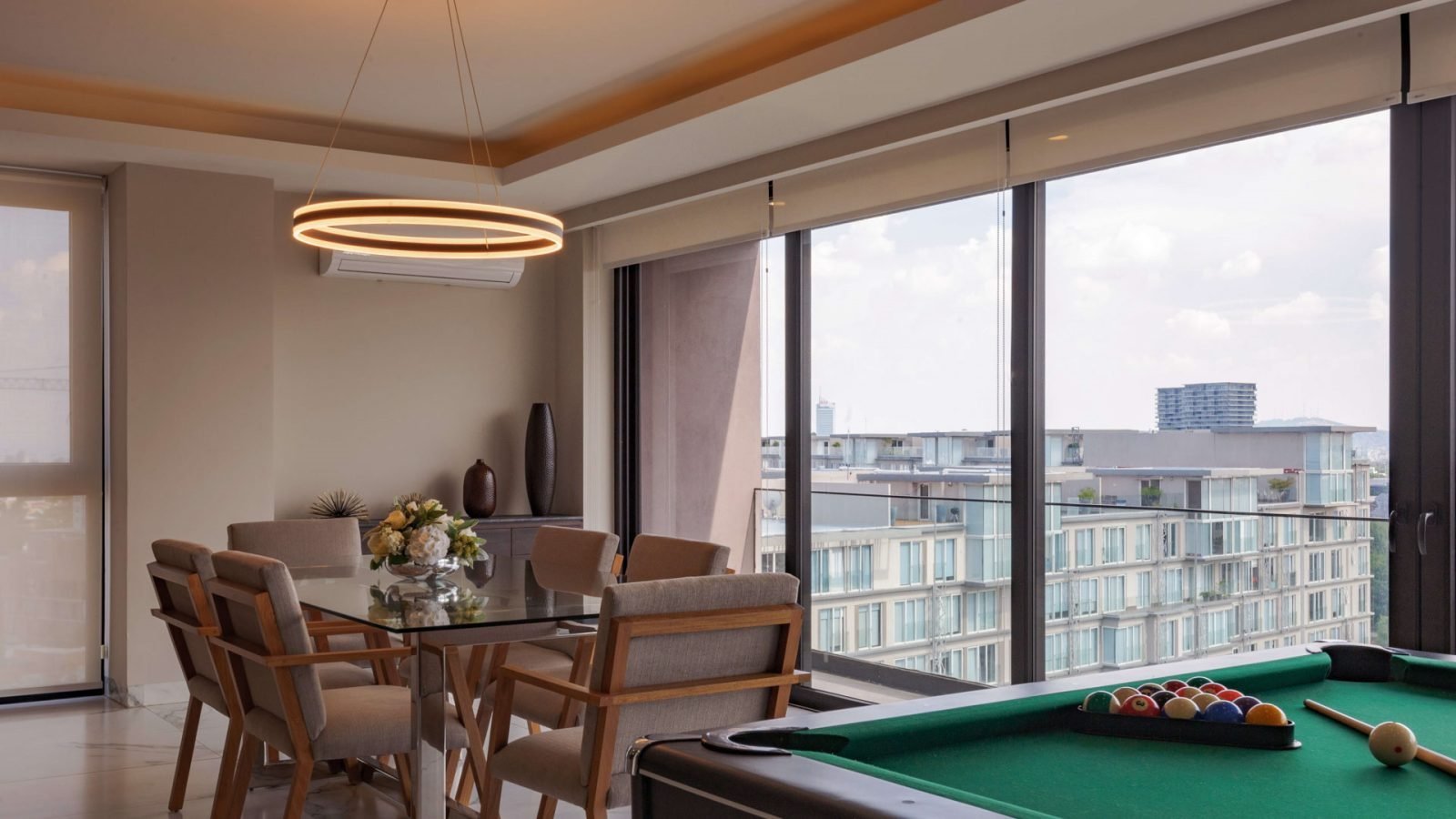
Which photos each property needs
The base list for a house or apartment, in the order it should be published:
- Cover: the strongest selling point. View, pool, façade or open living area, as the case may be.
- Exterior: full façade, entrance, garage, garden, terrace, pool.
- Living areas: living and dining room from two opposing angles, to explain how the space flows.
- Kitchen: one general frame and a detail of the finishes if they are good.
- Main bedroom: general, dressing room and bathroom.
- Secondary bedrooms: one per room.
- Bathrooms: one per bathroom.
- Service areas: laundry, storage, service room.
- Building amenities: shared pool, gym, roof terrace, lobby.
- Aerials: location, surroundings and distance to the sea or the park.
- Details: three or four close frames of materials, ironwork, joinery or the view.
That comes to between 20 and 30 images for a mid-sized property, and 35 to 50 for a villa. It is exactly the range of our property and rental photography packages.
The technique, briefly
Straight verticals
The vertical lines of walls, doors and windows have to come out vertical. It is the first thing that separates a professional photo from a snapshot, and it is not an aesthetic whim: when the walls lean, the brain reads the space as distorted and less trustworthy.
Let the window read
The central technical problem of shooting interiors in Mexico is contrast: expose for the interior and the window blows out to white; expose for the outside and the room goes black. In a property with a sea or garden view, losing the window means losing the selling point. It is solved by blending several exposures or lighting the interior, not by simply pushing the exposure.
Camera height
The camera sits at roughly chest height, not at eye level and not on the floor. Higher shrinks the space; lower exaggerates the floor and distorts the furniture.
The sunset frame
The blue-hour photo — lights on and the sky still holding colour — gives the greatest return per unit of effort in properties with a terrace, pool or view. It is usually the cover. It lasts twenty minutes, so everything has to be ready beforehand.
Aerials
The aerial frame answers the question no other photo can: where the property is. On the coast and in developments it is practically compulsory. Flight restrictions should be checked beforehand — they are strict near airports, Vallarta and Guadalajara among them.
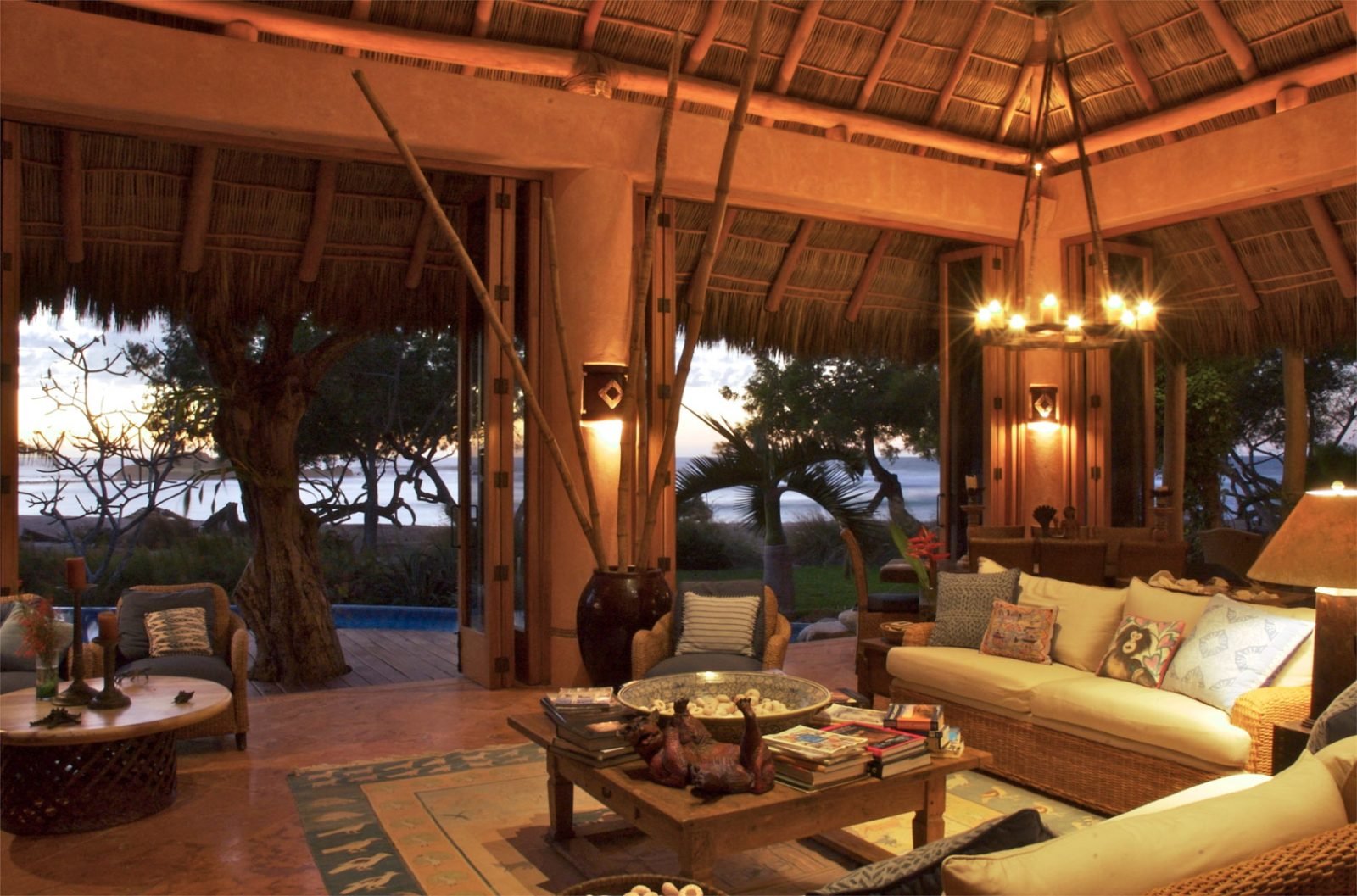
Light home staging: what is actually worth it
You do not need to furnish an entire house to photograph it. A minimal, cheap intervention wins almost all of the effect: fresh textiles on the main bed, a set of white towels for the bathrooms, greenery at two or three points, and removing 30% of the objects from every surface. That last rule is the most useful one we know: almost no space looks bad for having too little, and almost all of them look cluttered for having too much.
Empty properties are a different decision. Shooting empty is perfectly valid for a sale — it actually helps the buyer project their own life onto the space — but it demands more technical care, because without furniture there is no reference for scale and every wall defect is exposed. When the budget allows, furnishing just the living room and the main bedroom already transforms how the listing is perceived.
Land, lots and undeveloped property
This is the worst-photographed category in the whole Mexican market, and also where it is easiest to stand out. A plot is not sold with a ground-level photo of a weedy lot: it is sold by explaining where it is, how big it is and what can be built on it.
- The aerial is the main photo, not an extra. Ideally several altitudes: an overhead frame showing the shape of the lot and an oblique one showing the setting.
- Boundaries, marked. Tracing the perimeter over the aerial image turns an ambiguous photo into useful information.
- The view from the plot. If the argument is “sea view” or “mountain view”, prove it from the height the building would sit at, not from the ground.
- Access and services. The approach road, the quality of the roadway, the distance to the highway. It is the first thing a serious buyer asks.
- Context. A wide frame placing the lot relative to the town, the beach or the neighbouring development.
This applies very directly to the Nayarit corridor and to the hillside areas of Puerto Vallarta, where a good share of the inventory for sale is land and where the gap between a listing with aerial material and one without is enormous.
Vacation rentals: what the platforms want
Airbnb, Booking.com and VRBO each have their own rules, and they are fairly consistent with one another:
- Landscape format and good resolution. Vertical phone photos crop badly in the thumbnail.
- The cover decides everything. It should be the most attractive space, not the entrance.
- Complete and honest coverage: every bedroom, every bathroom, the kitchen and the outdoor areas. Omissions generate complaints and bad reviews.
- Captions. Many hosts ignore them, and they are free space to explain amenities.
- No watermarks or collages. Platforms penalise them visually.
One detail that genuinely moves the needle in vacation rentals: the table laid, towels rolled, the hammock hung and a drink poured on the terrace. This is not faking it: it is showing the intended use of the space, which is exactly what the guest is buying.
Mistakes that cost you viewings
- Shooting with the property lived-in and unprepared. It is the number one cause of listings that do not work.
- Extreme wide angle so it “looks big”. It produces disappointment at the viewing and burns your credibility with the prospect.
- Midday on the coast. Hard shadows, colourless water and washed-out skies.
- Ten photos of the pool and none of the second bathroom. Incomplete coverage reads as something being hidden.
- Recycling photos of another unit in the same building. Besides being risky, it shows.
- Not reshooting after a renovation. The listing still shows the old kitchen you already replaced.
What gets delivered, and in what formats
A well-organised delivery saves you cropping every image by hand afterwards. What is always worth asking for:
- High-resolution JPGs for portals, MLS and printed presentations.
- A web-optimised version, reduced in weight, so your own site’s listing loads fast. A heavy gallery drives away mobile visitors.
- Vertical crops of the best frames, for stories and reels.
- Tidy file names by space and in the suggested publishing order. It sounds minor and saves hours when the listing goes up on five portals.
The usual delivery window is three to seven business days for an individual property. On urgent jobs — an exclusive that has to go live now — a preselection of the ten best images can be agreed within 24 or 48 hours, so as not to lose the launch of the listing, which is when it has the most traction.
What it costs
We work with fixed packages by number of final images, so you know exactly what you are getting.
Property photography: packages and rates
Packages by number of photos cover houses, apartments and villas. When the commission is a design portfolio — showroom, restaurant, office — the interior design rate applies.
Airbnb and vacation rental photography
Fixed packages by number of final photos, ready to publish on Airbnb, Booking.com and VRBO.
| Package | Fee (MXN) |
|---|---|
| Basic (15 photos) | $5,500 |
| Standard (25 photos) | $7,000 |
| Premium (40 photos) | $8,500 |
| Premium + drone (40 + 8 photos) | $10,500 |
Interior design photography
Built for interior design studios, showrooms and commercial projects that need portfolio and editorial material.
| Type of project | Fee (MXN) |
|---|---|
| Single room | $6,500 |
| Apartment | $8,500 |
| House | $12,000 |
| Restaurant | $9,500 |
| Office | $10,500 |
- Fees cover the creative rate (shoot + editing). The usage licence is agreed separately, based on where the images will finally be published.
- There may be an adjustment within each range depending on the size of the client, the logistics involved (travel, number of sessions) and whether the project targets the domestic or the international market.
For a vacation rental, the standard package is usually enough; for a large villa or a high-value property for sale, the premium with drone is the better fit. The full price list is on 2026 pricing.
Where we shoot
We cover properties in Puerto Vallarta and all of Banderas Bay — Marina, the Romantic Zone, Conchas Chinas, Amapas — in Nuevo Nayarit, Bucerías, La Cruz de Huanacaxtle, Punta Mita, Sayulita and San Pancho, in Tepic, and in Guadalajara and its metropolitan area, as well as the Bajío. Within Banderas Bay we charge no travel; for Tepic and the rest of the state it is quoted separately and confirmed before booking.
Property photography city by city
We work out of Puerto Vallarta and Guadalajara, with standing coverage across the Bajío region. Open your city’s page to see how we adapt property photography to your project:
- Property photography in Puerto Vallarta
- Property photography in Guadalajara
- Property photography in Querétaro
- Property photography in Aguascalientes
- Property photography in León
- Property photography in Guanajuato
- Property photography in Celaya
- Property photography in Irapuato
- Property photography in San Miguel de Allende
Is your project somewhere else? We cover the whole country, with travel quoted separately: tell us where it is.
Frequently asked questions about property photography
How much does it cost to photograph a house or apartment?
Our packages start at $5,500 for 15 final images and rise with the number of photos and whether drone is included. A standard house or apartment is usually resolved with the 25-photo package; a large villa calls for the premium. You can see it all on 2026 pricing.
How long does the session take?
Two to four hours for a standard, well-prepared property, and up to a full day for large villas or when the sunset frame is included. Preparation beforehand is what speeds the day up or slows it down the most.
Does the property have to be furnished?
For a vacation rental, yes, without exception. For a sale, a furnished property always performs better because it helps convey scale, though we do photograph empty properties: in that case we pay particular attention to light and geometry, which is all that is left to carry the image.
Do you retouch to remove objects or change the sky?
Minor clean-up — a cable, a socket, a mark — is included. Larger changes such as replacing the sky or removing neighbouring buildings are agreed beforehand; in sales listings we recommend avoiding them, because the buyer will compare with reality at the viewing.
How often should a property be rephotographed?
After any renovation or change of furniture, and in vacation rentals at least whenever the decorating style changes. A listing showing an earlier version of the property generates complaints and negative reviews.
Do you shoot in Tepic, Sayulita or Punta Mita?
Yes. We work the whole Nayarit coast — Nuevo Nayarit, Bucerías, La Cruz, Punta Mita, Sayulita, San Pancho — and Tepic, as well as Puerto Vallarta, Guadalajara and the Bajío. Within Banderas Bay there is no travel charge.
Get a quote for your property’s session
Services mentioned in this article
Hotel Photographer
Rooms, amenities and dining that hold up your rate on Booking, Expedia and paid campaigns.
🏛️Architectural Photographer
Corrected perspective: the project you publish, enter into competitions and keep in your portfolio.
🛋️Interior Photographer
Materials, natural light and styling, so your work reads as well on screen as it does on site.
🚁Drone Photographer
The site, the amenities and the setting: what no ground-level frame can show.

Xavier Manuel
Architecture, hospitality and interior photographer. He runs Foto de Arquitectura out of Puerto Vallarta and Guadalajara, with productions across Riviera Nayarit, Tepic and the Bajío region.
More from the blog
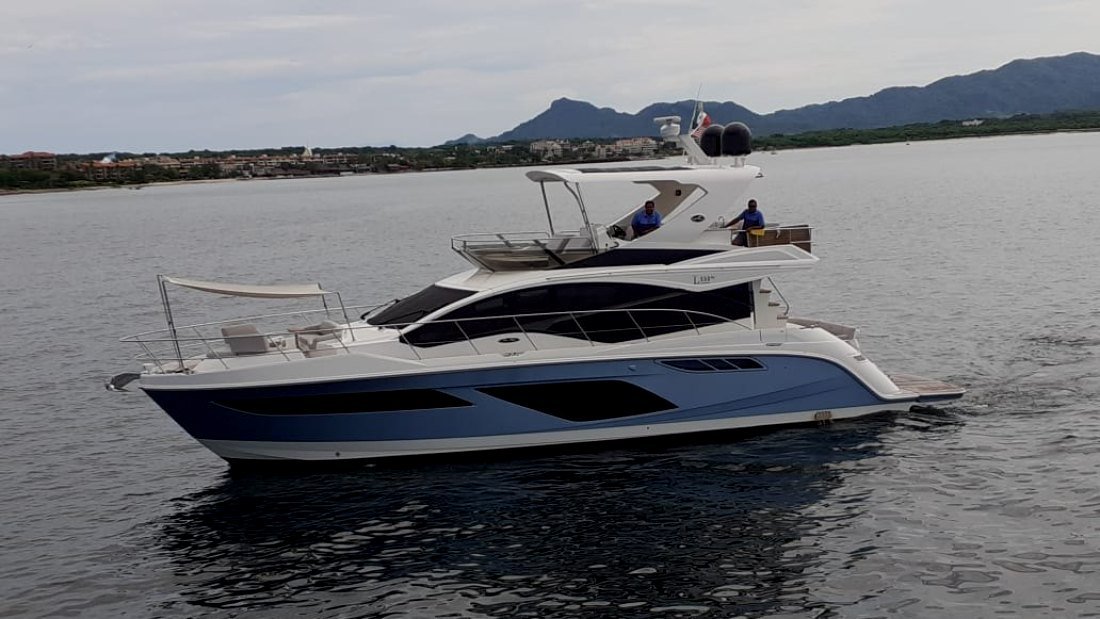 Golden-hour photo charter: Puerto Vallarta from a yachtThe town faces west, so at sunset you only see it head-on from the water. Route, timing, gear, camera settings and which boat to charter to photograph the bay.Read the article →
 Fishing charter in Puerto Vallarta: what to do when you visitWhat we tell clients who fly in for a shoot and have a free day: go fishing. What a private charter looks like, inshore vs offshore, seasons, costs and how to photograph the day.Read the article →
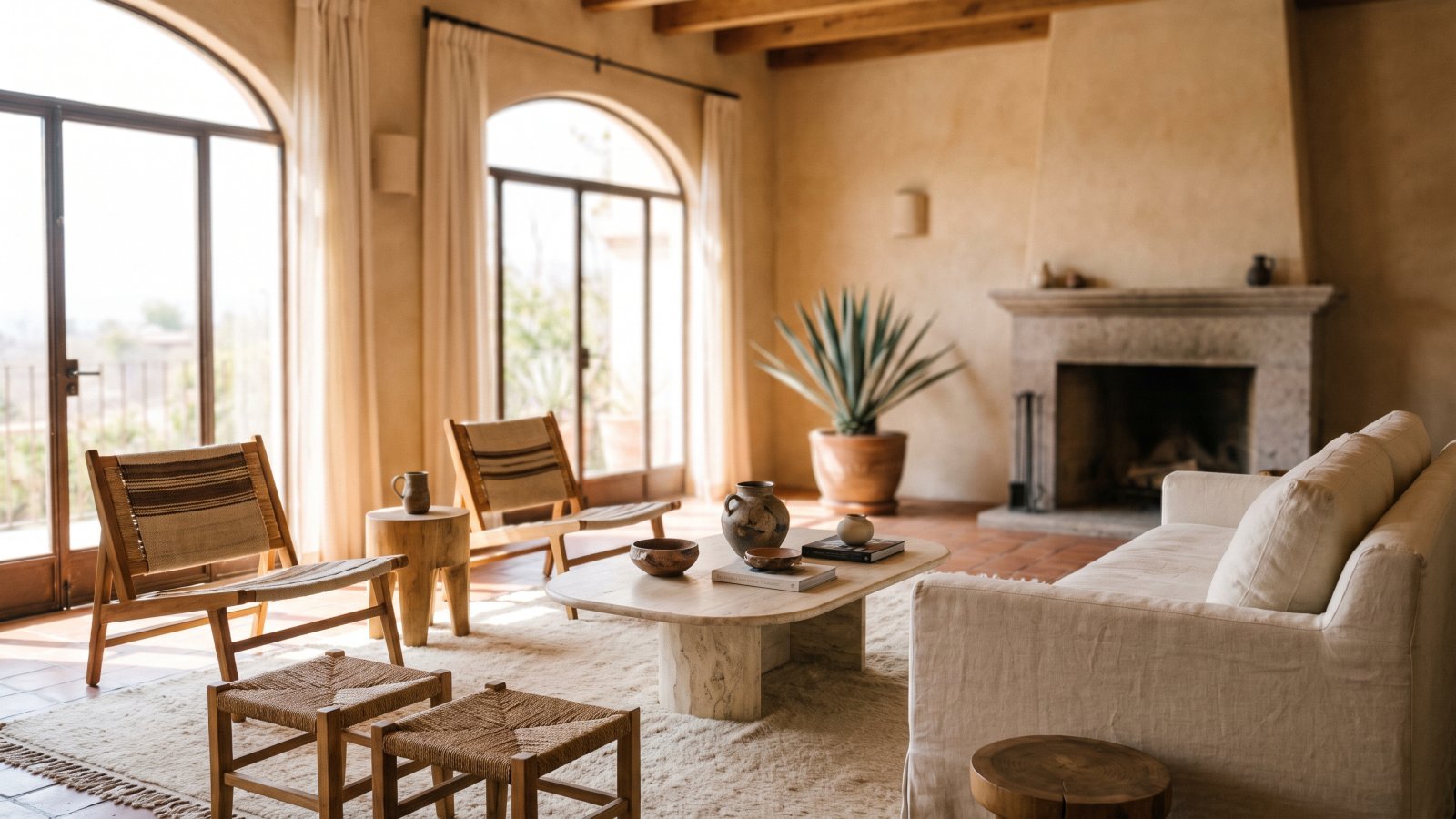 Interior photography: the complete guideHow an interior design project is photographed so it reads in a portfolio and in press exactly as it feels in person: light, styling, framing and what it costs.Read the article →